Complete Solar Guide: Chhattisgarh Subsidy (₹1.08L), 3kW vs 5kW Economics & 8 Essential Documents
1. Mandatory Documents Checklist (8 Essential Documents):
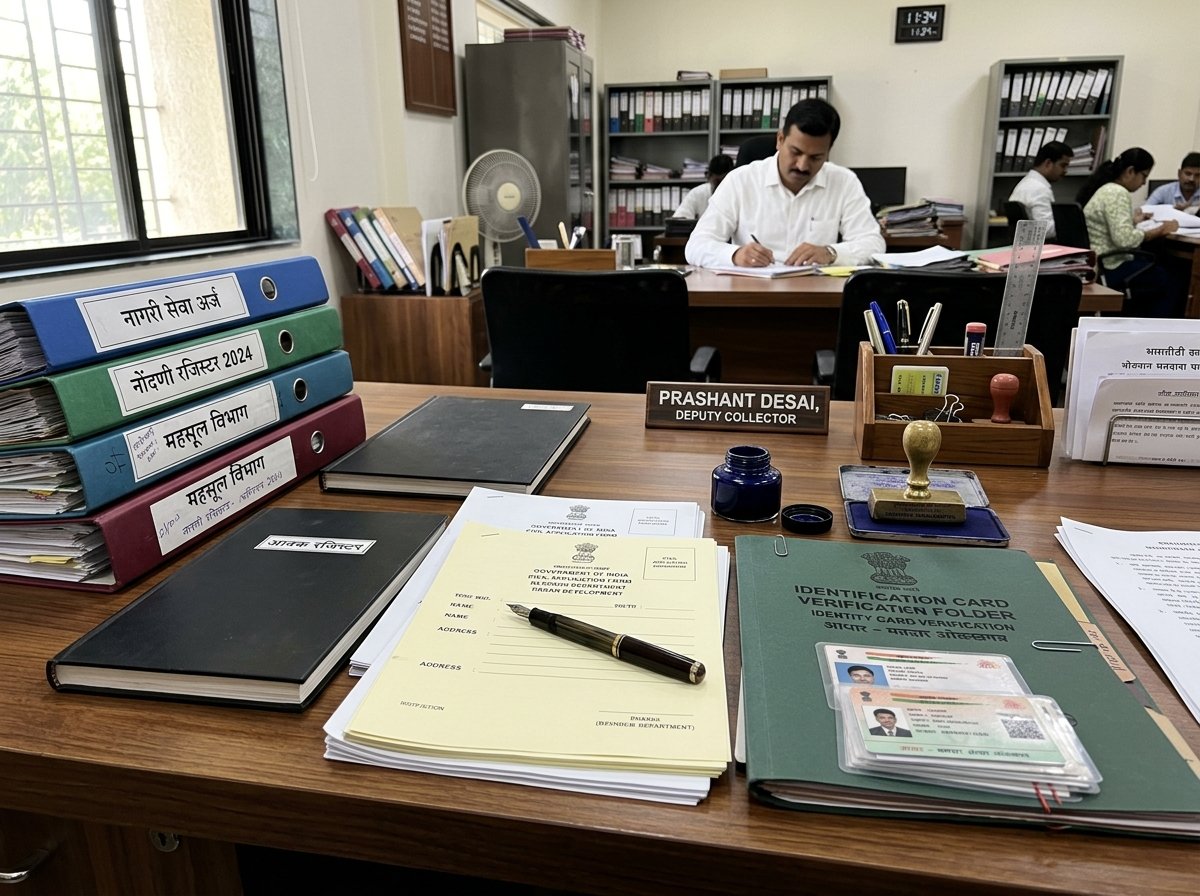
Prepare these 8 documents for rapid DISCOM net metering sanction and direct DBT subsidy disbursal:
- आधार कार्ड (Aadhaar Card) - Identity & address proof
- पैन कार्ड (PAN Card) - Statutory tax verification
- बिजली बिल (Electricity Bill) - Latest power bill copy
- B1 या मकान टैक्स की कॉपी (B1 / House Tax Copy) - Property ownership
- बैंक पासबुक / कैंसल चेक (Bank Passbook / Cheque) - For DBT subsidy credit
- मोबाइल नंबर (Active Mobile Number) - Linked with Aadhaar for OTP
- ईमेल आईडी (Active Email ID) - For statutory communications
- 1 फोटो (1 Passport Photograph) - Recent applicant photograph
2. Chhattisgarh Rooftop Solar Subsidy Structure (Up to ₹1,08,000)
In Chhattisgarh, residential consumers benefit from both Central (PM Surya Ghar) and State Government subsidies, reaching up to ₹1,08,000 in combined direct subsidy:
| Capacity (kW) | Central Subsidy (₹) | Chhattisgarh State Subsidy (₹) | Total Subsidy Benefit (₹) |
|---|---|---|---|
| 1 kW | ₹30,000 | ₹15,000 | ₹45,000 |
| 2 kW | ₹60,000 | ₹30,000 | ₹90,000 |
| 3 kW | ₹78,000 | ₹30,000 | ₹1,08,000 |
| 5 kW to 10 kW | ₹78,000 (Max Cap) | ₹30,000 (Max Cap) | ₹1,08,000 |
3. Financial Proposal Comparison: 3 kW vs. 5 kW On-Grid System
As detailed in Anjani Solar’s engineering proposal analysis, a 5 kW setup generates ~80% more energy for only ~₹1 Lakh additional net capital outlay, yielding over ₹16.12 Lakhs in lifetime savings:
| Financial & Technical Parameter | 3 kW On-Grid System | 5 kW On-Grid System (Recommended) |
|---|---|---|
| Estimated Project Cost | ₹2,10,000 | ₹3,10,000 |
| Applicable Subsidy (Central + State) | - ₹1,08,000 | - ₹1,08,000 |
| Net Effective Customer Investment | ₹1,02,000 | ₹2,02,000 |
| Annual Energy Generation | 4,380 kWh / year (12 units/day) | 7,911 kWh / year (21.7 units/day · ~80% MORE!) |
| Estimated Annual Bill Savings | ₹35,040 / year | ₹63,290 / year |
| Simple Capital Payback Period | 3.8 Years | 3.7 Years (Faster Payback!) |
| 25-Year Cumulative Savings | ₹9,06,000 | ₹16,12,000 (+₹7.06 Lakh extra return) |
4. Inverter Selection Guide: On-Grid, Off-Grid, or Hybrid?
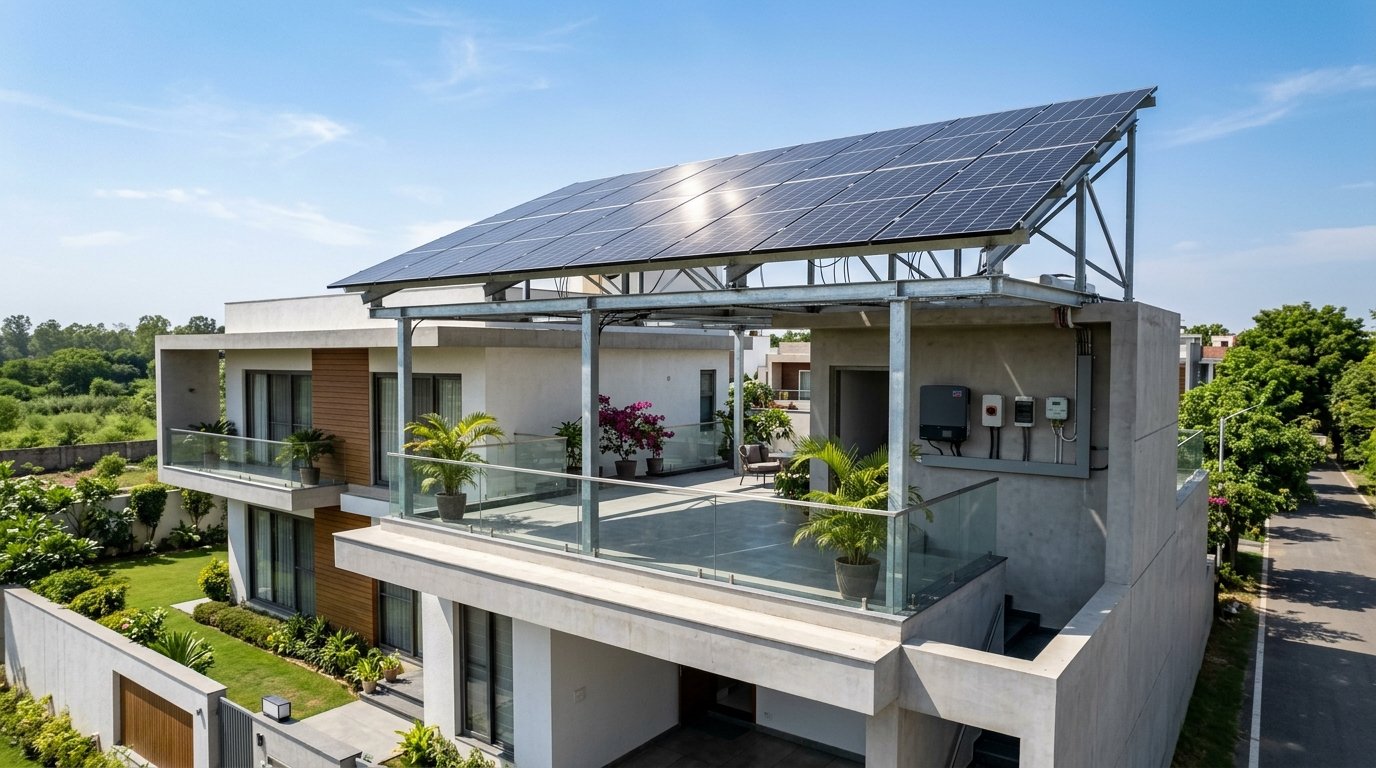
- On-Grid (Grid-Tied): Lowest capital investment, exports surplus electricity via DISCOM bi-directional net meter for bill credits, 3-4 year ROI. Does not provide power during grid blackouts (anti-islanding safety). Eligible for PM Surya Ghar subsidy.
- Off-Grid: Includes dedicated battery storage, completely independent of grid power. Best for remote farmhouses and rural properties with frequent blackouts. Higher initial battery cost and 7-10 year ROI.
- Hybrid Inverter: Combines net metering grid exports with battery backup. Ensures uninterrupted power during power cuts while continuing to earn solar bill credits when grid is live.
Supported Tier-1 Solar Brands: TATA POWER SOLAROOF, Adani Solar, WAAREE, LUMINOUS, and VIKRAM SOLAR.
Finance & Support Facilities: Easy monthly EMI starting options, equipment insurance and loan assistance, with dedicated 24x7 local support in Raipur.